Sponsored article
The use of advanced UAV systems is increasingly transforming the landscape of border security and search operations. These sophisticated drones offer unparalleled capabilities, enabling authorities to enhance surveillance, increase operational efficiency, and overcome challenging terrains. From monitoring vast border areas to aiding complex search and rescue missions, UAVs are proving to be indispensable assets. As technology continues to advance, these systems promise to revolutionize the way such critical tasks are approached and executed.
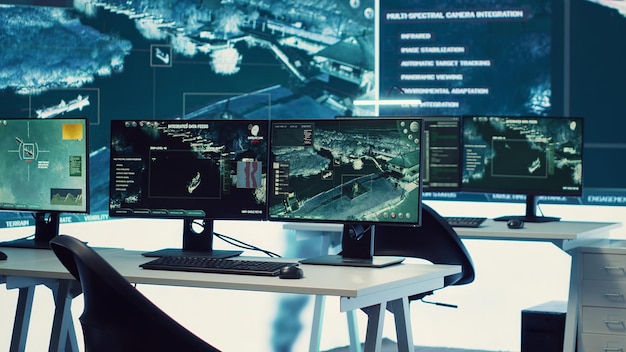
UAV technology has revolutionized border surveillance by introducing a new level of precision and adaptability that was previously unattainable. With technological advancements in UAVs, border patrol agencies are now able to conduct continuous aerial surveillance, ensuring better monitoring and securing of national boundaries. Equipped with sophisticated sensors and cameras, these drones can cover vast areas quickly and efficiently, which is crucial for detecting and responding to potential threats. The integration of real-time data transmission allows for immediate decision-making and deployment of resources, turning UAVs into essential tools for enhancing national security.
The uav drone versatile VTOL applications make these drones particularly effective in challenging terrains where traditional surveillance methods fall short. Their ability to perform vertical take-offs and landings allows UAVs to operate in rugged environments, where infrastructure may be limited or absent. This flexibility ensures that border surveillance can be effectively maintained regardless of geographical obstacles. Additionally, the implementation of anti-jamming technology safeguards drone operations against disruptions, ensuring reliable performance even in contested environments. For more information on versatile VTOL applications, visit the MADDOS UAV page.
UAV systems are revolutionizing search and rescue operations through remarkable boosts in operational efficiency. These advanced technologies reduce response times and enable teams to cover vast areas quickly, ensuring rapid assistance in critical situations. One significant advantage of UAV systems in search and rescue is their ability to operate in diverse and challenging environments, from dense forests to mountainous terrains and even urban areas with complex obstacles. For example, in recent deployments, UAVs equipped with thermal imaging cameras have successfully located missing persons at night in heavily forested regions, demonstrating their capacity to overcome human limitations and adverse conditions.
Furthermore, UAV systems provide real-time data transmission, offering search and rescue teams a strategic overview that enhances decision-making under pressure. The following operational advantages are key:
Overall, the integration of UAV systems in search and rescue operations transforms the speed and success rate of missions, turning these high-tech tools into invaluable assets across various terrains and scenarios.
Implementing UAV systems in border security and search operations presents a range of challenges that can impede their successful integration. One significant challenge in UAV implementation is ensuring reliable communication and data transmission across vast and often remote areas. This obstacle can lead to disruptions in real-time monitoring and data analysis, critical for effective border security. Moreover, navigating legal and regulatory frameworks presents another challenge, with differing global regulations on UAV usage posing barriers to their deployment. Additionally, the initial costs associated with acquiring and maintaining advanced UAV systems can be prohibitive for some agencies, limiting their ability to invest in such cutting-edge technology.
To address these challenges, solutions must be tailored to the specific needs of each operation. Investing in advanced communication technologies and satellite links can mitigate data transmission issues, while ongoing training programs can ensure personnel are proficient in UAV operation and data interpretation. In terms of legal challenges, international collaboration and standardized regulations can facilitate cross-border UAV deployment, maximizing their potential in enhancing border security and search missions. Finally, exploring flexible financing options and partnerships with private companies could alleviate financial constraints, enabling broader access to advanced UAV systems.