Sponsored article
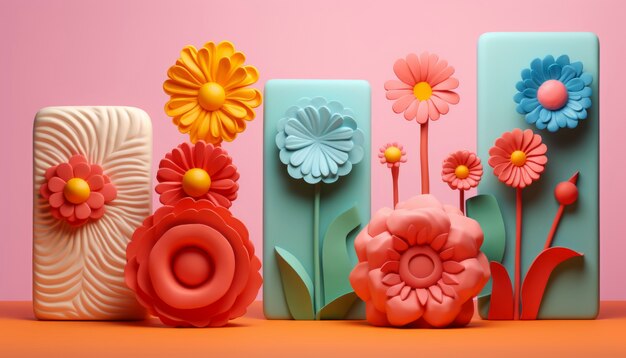
Incorporating 3D flower models into digital art and design projects has revolutionized the creative process, offering artists and designers new avenues for expression. These models add depth and realism that were previously unattainable with traditional methods. As technology advances, the ability to integrate intricate designs into existing projects not only enriches aesthetic value but also enhances the storytelling capabilities of digital creatives, setting a new standard in visual communication.
In the realm of digital art and design, 3D flower models bring an unparalleled aesthetic appeal that transforms ordinary scenes into vibrant masterpieces. These meticulously crafted digital blooms infuse projects with visual dynamics, creating a sense of movement and life that goes beyond traditional imagery. By incorporating 3D flower models into their work, artists can evoke a range of emotions, from the serenity of a lily-filled garden to the passionate intensity of a rose bouquet. The intricacy of each petal and leaf in a high-quality 3D flower models collection provides a level of detail that captivates viewers, enhancing the overall impact of the artwork. These models serve as versatile elements in digital projects, whether used as focal points in architectural visualizations or as subtle accents in artistic designs. The diverse range of species available ensures that each project can capture its unique mood and atmosphere, inviting audiences to experience the beauty and complexity of nature in a digital medium. Discover the enchanting allure of these digital blossoms by exploring the high-quality 3D flower models collection and see how they can elevate your creative endeavors.
In the realm of modern art and design projects, the fusion of digital technology with nature-inspired design represents a groundbreaking evolution that redefines the creative landscape. By integrating technology with nature, particularly through the use of 3D flower models, artists and designers are able to bridge the gap between the digital and the organic in unprecedented ways. This integration creates a harmonious blend that enhances the emotional and aesthetic impact of art projects, marrying the precision and versatility of digital tools with the timeless beauty of natural forms. In utilizing 3D technology, creators can meticulously replicate the intricate details of flowers, capturing their delicate textures and forms to produce lifelike representations that resonate with viewers on a deeper level. This seamless fusion not only elevates the visual appeal but also inspires innovation, allowing designers to explore new boundaries and transform digital art into immersive experiences steeped in the tranquility and complexity of nature.
In the realm of digital art and design, the integration of advanced 3D modeling has become a game-changer for artists and designers alike. One significant way this manifests is through the use of 3D flower models, which are renowned for their ability to boost creativity and enhance workflow efficiency. With digital design tools that provide access to a vast library of intricate floral forms, designers can now manipulate and customize these models to fit their creative vision seamlessly. The flexibility of 3D modeling allows for the exploration of endless artistic possibilities, enabling designers to iterate swiftly and experiment with various compositions without the constraints of traditional methods. This agility not only sparks a creativity boost but also streamlines the design process, making it more efficient. The ability to modify textures, rotate views, and adjust dimensions in real-time means that designers spend less time planning and more time creating, resulting in a more dynamic and innovative design workflow.