Sponsored article
Protecting your home from fire involves more than just having the right equipment—it’s about understanding the risks and how to effectively mitigate them. In this article, we provide valuable insights into identifying common fire hazards and offer guidance on selecting essential fire safety equipment that meets your needs. From understanding crucial features of smoke detectors to ensuring your fire extinguishers are properly maintained, we aim to enhance your home’s safety measures against potential fires.
Understanding fire hazards is crucial when it comes to safeguarding your home. Common residential fire risks include unattended cooking, faulty electrical wiring, flammable materials, and heating equipment malfunction. Kitchen areas are especially prone to home fire threats due to the combination of heat, grease, and open flames. Identifying these fire hazards is the first step in choosing fire safety equipment that can effectively mitigate the danger. A comprehensive approach to residential fire risks ensures that every potential threat is addressed, from kitchen fires to electrical mishaps.
This proactive awareness not only helps in selecting the right tools, such as smoke alarms and fire extinguishers, but also aids in planning effective responses during emergencies. For an all-encompassing solution, consider the Firexo 500ml Aerosol Fire Extinguisher, which is designed to tackle all classes of fires that may occur in a household setting. To learn more about this essential safety equipment, visit the Firexo product page. You can find additional information on this topic at https://firexo.com/product/500ml-aerosol-extinguisher/.
When it comes to safeguarding your home, understanding the key fire safety equipment features can make all the difference in an emergency. Smoke detectors are essential; look for models with photoelectric sensors, as they detect slow, smoldering fires more accurately. An integrated carbon monoxide detector adds an extra layer of protection against this silent killer. Opt for interconnected alarms so when one goes off, they all alert you, even when you are in another room. Battery life is another crucial consideration—choose devices with a long-lasting battery, preferably a sealed lithium option that lasts up to 10 years, reducing the need for frequent replacements.
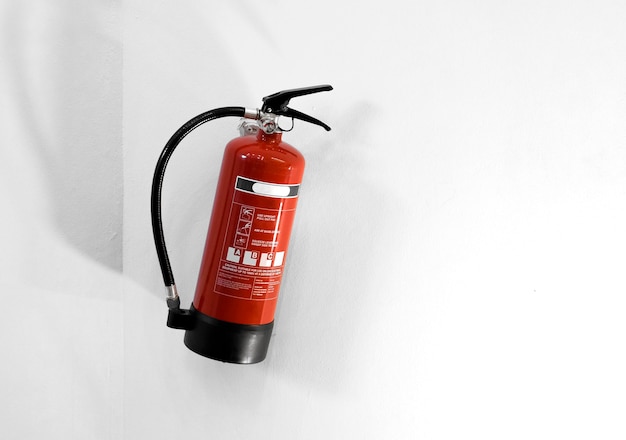
Fire extinguishers are equally vital in your fire safety arsenal. Prioritize multi-purpose ABC fire extinguishers, which can handle most common fires found in homes—combustible materials, flammable liquids, and electrical fires. Check for easy-to-read pressure gauges to ensure the extinguisher is always ready for use, and confirm it has a metal valve for durability. Make sure it’s of a manageable size and weight for all family members to handle in a crisis, ensuring peace of mind that everyone in the household can operate it effectively if needed.
Proper fire safety equipment maintenance and strategic tool placement are pivotal aspects of ensuring your home’s safety. Not only does regularly maintaining these tools ensure they function correctly during an emergency, but it also extends their lifespan, providing more value from your investment. Check smoke detectors monthly, replace batteries annually, and inspect fire extinguishers for correct pressure levels and signs of wear. Additionally, ensure that any fire blankets or other fire suppression tools are stored in dry areas, away from potential damage. Professional inspection of your fire safety tools at least once a year provides peace of mind and additional safety assurance.
Equally critical is the strategic placement of fire safety equipment throughout your home. Effective tool placement can dramatically reduce response time during a fire. Consider these home safety tips:
By integrating these strategies, you significantly enhance your home’s protection against fires.