
Sponsored article
As homeowners increasingly seek ways to make their houses more energy-efficient, air to water heat exchangers have emerged as a popular solution. These systems are designed to optimize heating and cooling within a home, potentially reducing energy bills and promoting sustainable living. By efficiently transferring heat from the ambient air to water, they serve as a vital component in enhancing the overall energy efficiency of modern homes.
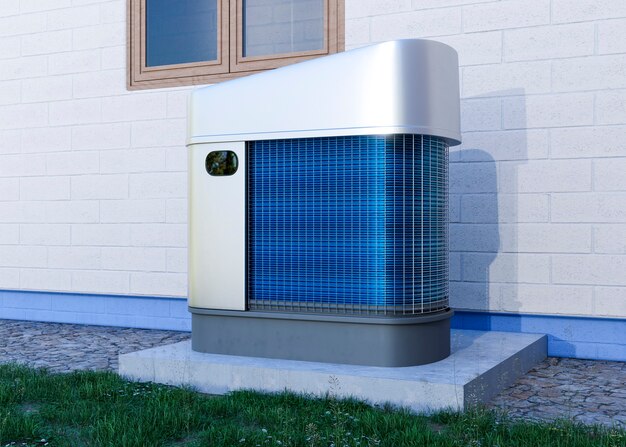
Air to water heat exchangers play a crucial role in HVAC systems by enhancing the energy efficiency of heating processes. These innovative devices transfer heat from the ambient air to water, creating a more efficient heat transfer process that maximizes energy use in household systems. By utilizing an air to water heat exchanger, homes can achieve higher efficiency levels, reducing energy consumption and lowering heating costs. This system is particularly beneficial in modern homes that prioritize sustainability and cost-effectiveness.
The operation of air to water heat exchangers is based on a few key principles, including:
By opting for these systems, homeowners can ensure reliable performance and optimal comfort throughout the year. Explore more about air to water heat exchangers by visiting https://alfaheating.com.
Air to water heat exchangers bring significant benefits to residential settings, making them a wise choice for homeowners looking to enhance energy efficiency and sustainable living. One of the primary advantages is the substantial cost savings on energy bills; by efficiently transferring heat from the air to water, these systems reduce the need for high energy consumption. Homeowners can benefit from lower utility costs as these systems leverage renewable energy sources while minimizing reliance on traditional heating methods. Furthermore, the adoption of air to water heat exchangers contributes positively to the environment by reducing the carbon footprint, enabling homeowners to participate in a more sustainable approach to living.
Beyond financial and environmental benefits, air to water heat exchangers also significantly improve home comfort and efficiency. These systems provide consistent and reliable heating, enhancing indoor climate control without the fluctuations that conventional systems sometimes experience. This not only promotes a more comfortable living environment but also ensures that energy is utilized more effectively, further driving energy consumption reduction. Overall, investing in such technology aligns with both sustainable living practices and the desire for efficient home management, embodying a holistic approach to modern energy solutions.
Installing air to water heat exchangers in a home can significantly enhance energy efficiency, but it requires careful planning and consideration. Homeowners should first assess the compatibility of these systems with their existing heating or cooling setups. This often involves evaluating the capacity and layout of current systems to ensure seamless home integration. One of the primary considerations involves ensuring that the heat exchanger can be effectively integrated into your current HVAC system. It is advisable to consult with a professional to determine the best installation strategy, as improper setup can lead to inefficiencies and increased energy costs.
Once installed, ongoing maintenance is crucial to ensure optimal performance. Homeowners need to schedule regular inspections and cleanings to keep the system running smoothly. Challenges such as space constraints, potential retrofitting, and system compatibility must be navigated carefully. Tips for successful integration include hiring certified technicians, thoroughly evaluating the home’s energy needs, and ensuring adherence to local regulations during installation. This strategic approach can maximize the efficiency benefits of air to water heat exchangers in your home.