
Sponsored article
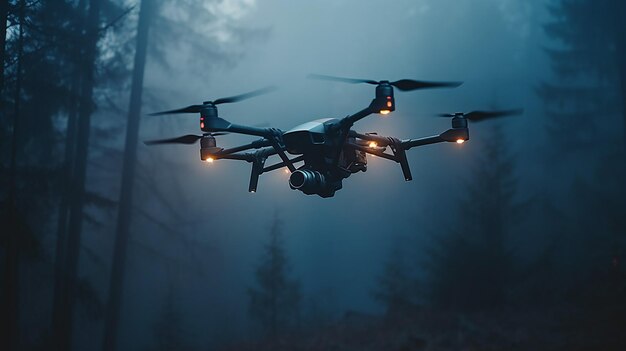
As the use of drones and other unmanned aerial vehicles becomes increasingly prevalent, the need for robust airspace security measures has never been greater. Advanced RF detection systems offer powerful tools to identify and avert potential threats, ensuring the safety of our skies. By leveraging innovative radio frequency technology, these systems enhance the ability to detect unauthorized aircraft and respond swiftly, protecting critical infrastructures and maintaining secure airspace environments.
Understanding RF detection systems is crucial in modern airspace security initiatives. At the core, these systems leverage radio frequency technology to identify and monitor unauthorized drones and other aerial threats. By passively scanning a wide range of frequencies, RF detection systems can efficiently detect and track the unique RF signatures emitted by various unmanned aerial vehicles (UAVs). This sophisticated use of radio frequency technology enables precise identification and geolocation of potential threats, making these systems indispensable in the realm of security. Notably, such systems are increasingly vital due to the rising prevalence of drones. With capabilities to monitor up to several kilometers away, they offer proactive and reliable solutions for ensuring the safety of restricted airspaces without disrupting the existing electronic environment. As part of comprehensive [drone detection technology](https://maddos.com/rf-detection/), RF detection systems stand as a key pillar in modern airspace security, safeguarding military bases, research facilities, and high-security areas against unwanted incursions.
In the realm of counter-drone technology, RF detection systems have emerged as vital tools for bolstering airspace security by effectively identifying and neutralizing unauthorized drones. Leveraging advanced techniques to intercept and analyze radio frequencies, these systems excel in drone detection by pinpointing the communication signals between the drone and its operator. This capability is crucial in safeguarding sensitive areas, such as military bases, airports, and government facilities, where the presence of unauthorized drones could pose significant threats. Furthermore, RF detection systems play a critical role in securing large events, preventing everything from espionage to potential attacks. As drones continue to evolve and become more prevalent, the importance of sophisticated RF detection systems in counter-drone technology is increasingly underscored. By ensuring these areas remain unmanned by unauthorized devices, RF detection systems are at the forefront of airspace security, providing peace of mind and protection against the ever-growing risks associated with drone-related threats.
Incorporating advanced RF solutions into airspace security frameworks offers significant advantages, particularly through increased accuracy, real-time monitoring, and proactive threat mitigation. These cutting-edge systems are feats of technological innovation that greatly enhance airspace monitoring, ensuring that air traffic management operates with heightened efficiency and precision. The benefits of RF detection lie in their ability to promptly identify unauthorized transmissions, allowing for immediate responses to potential threats. Real-time monitoring capabilities provide airport authorities and air traffic controllers with crucial insights into ambient radio frequency activities, empowering them to maintain the integrity of controlled airspace. Furthermore, the proactive nature of these advanced RF detection solutions means that potential security breaches can be identified and mitigated before they escalate, thereby safeguarding both passengers and aircraft. Consequently, the implementation of these systems is a pivotal step in advancing airspace security and ensuring the safe and seamless management of air travel across increasingly crowded skies.