Sponsored article
In the rapidly evolving field of healthcare education, collaborative simulation techniques are emerging as a pivotal tool for transforming the landscape of learning and practice. These innovative methods bridge the gap between theoretical knowledge and real-world application by offering immersive training experiences that foster teamwork and enhance critical skills. As the demand for skilled healthcare professionals continues to grow, the adoption of these techniques is not only reshaping the educational paradigm but also setting new standards in patient care and safety.
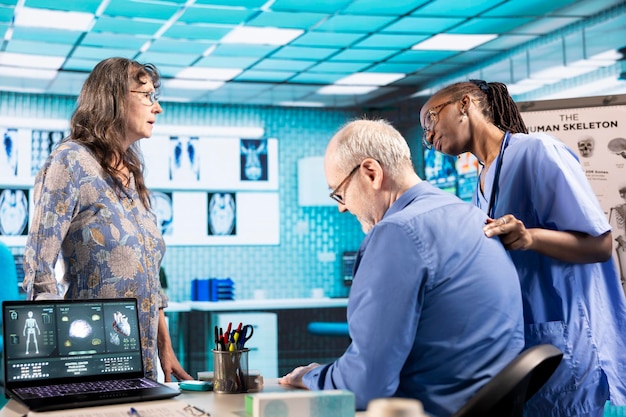
The rise of collaborative simulation in healthcare marks a pivotal transformation in healthcare training, offering innovative approaches that enhance both learning and patient care. By incorporating immersive learning environments, these simulations provide realistic scenarios that mimic real-life medical and clinical situations, allowing healthcare professionals to refine their skills in a safe and controlled setting. Key benefits of such training include:
As a part of this educational revolution, institutions are adopting interprofessional simulation training program initiatives that encourage collaboration across various medical fields. Ultimately, these programs are instrumental in elevating the standards of healthcare education and practice.
Simulation techniques have emerged as a cornerstone in the realm of healthcare education, offering an invaluable bridge between theoretical knowledge and practical learning. By replicating real-world scenarios, these techniques provide learners with the opportunity to develop critical skills within a safe, controlled environment. This setup allows students to practice and hone their abilities without the immediate risks associated with real-life clinical procedures, substantially reducing the pressure often felt in actual healthcare settings. The immersive nature of simulation techniques means that learners can engage in practical learning experiences that closely mimic the complexities of real-world scenarios, fostering improved competence and confidence. Moreover, through repeated exposure to diverse clinical situations, trainees can cultivate essential decision-making and problem-solving skills, crucial for effective healthcare delivery. In essence, simulation techniques serve as a transformative educational tool, equipping future healthcare professionals with the proficiency and assurance they need to excel in their field.
Simulation training is an innovative method that significantly enhances patient safety by providing healthcare professionals with a realistic, risk-free environment to practice their skills. By simulating clinical scenarios, medical teams can prepare for unexpected situations and refine their responses, leading to a noticeable reduction in errors during real patient interactions. This method of training allows practitioners to gain confidence and competence in handling complex cases without the consequences of trial and error on actual patients. As a result, simulation training contributes to improved healthcare outcomes by minimizing risks associated with inexperience and misjudgment. Furthermore, these simulated environments promote teamwork and communication among medical professionals, ensuring that each team member is well-prepared to act promptly and accurately in critical situations. Ultimately, the integration of simulation training into healthcare education is a forward-thinking approach that prioritizes patient safety and fosters a culture of continuous improvement and excellence in medical practice.